Regular maintenance and monitoring of data center coolant are crucial for ensuring optimal performance and longevity of the cooling system. Testing, in particular, should occur regularly for several reasons:
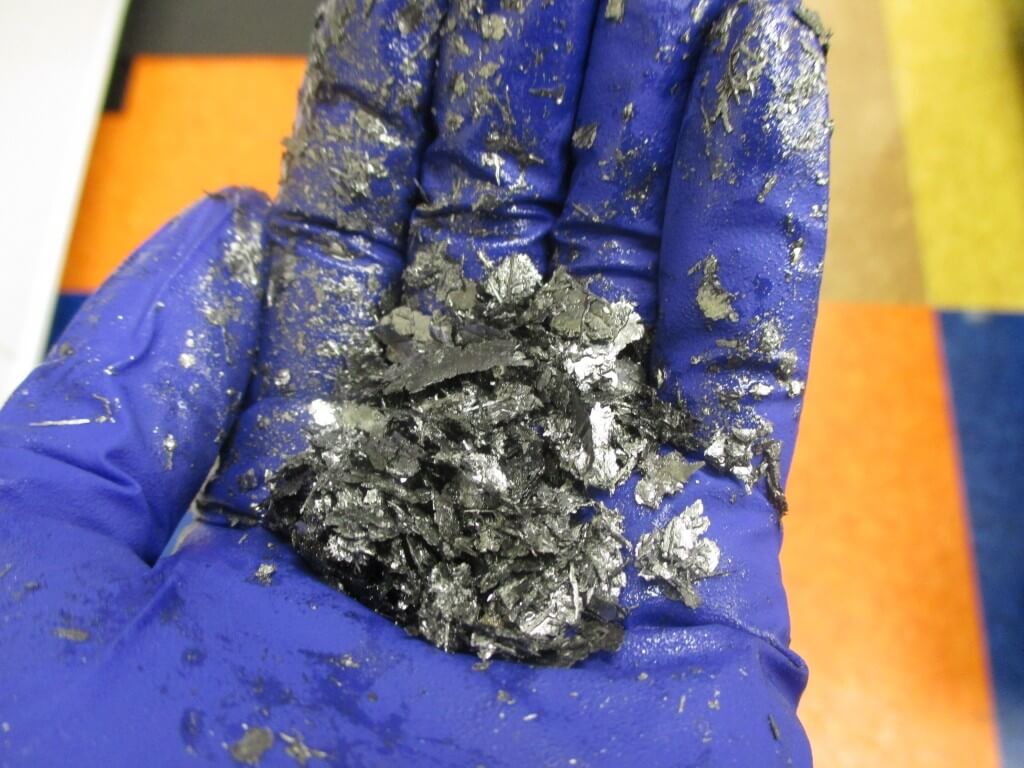
- Contaminant Control: Over time, coolants can accumulate contaminants such as particulate matter, biological growth, or metallic particles from corrosion. These contaminants can reduce the cooling efficiency and increase wear on components.
- pH Balance: Coolant must maintain a specific pH range. Any deviation can lead to corrosion or scale formation, which can damage both the server components and the cooling system.
- Additive Depletion: Most coolants contain additives to prevent corrosion and enhance thermal conductivity. Over time, these additives can degrade, diminishing the coolant’s protective and performance-enhancing properties.
- Thermal Efficiency: The composition of the coolant can impact its heat transfer capabilities. Changes in the coolant's composition, such as sedimentation or degradation, can reduce thermal efficiency and affect server performance.
- Microbial Growth: Especially in water-based coolants, microbial growth can cause biofilms and sludge formation, which can clog the cooling system and lead to inefficiencies.
- Preventive Maintenance: Regular testing detects issues early, allowing for timely interventions to prevent major system failures, minimize downtime, and reduce repair costs.
TYPES OF COOLANT FOR DATA CENTER SERVERS
The components of coolant used in data center servers can vary based on the cooling method and specific requirements, but they generally fall into two categories.
- Water-Based Coolants (often used in closed-loop systems): These coolants are a mix of water and other chemicals, chosen for their high thermal conductivity and safety in indirect cooling systems.
- Dielectric Fluids (for immersion cooling): These fluids are electrically non-conductive, allowing servers to be submerged directly in the coolant. They are specially engineered to maximize heat transfer without posing a risk to electronic components.
Both of these fluid types usually contain additives such as anti-foaming agents to prevent and reduce foam that can hinder heat transfer and lead to inefficiencies. Anti-corrosion and anti-wear agent protect surfaces from corrosion and wear that would otherwise develop over time. Stabilizers that prevent thermal and oxidative degradation under the extreme operating conditions that are common in high-performance data centers. The exact mix of ingredients depends on the system design, cooling requirements, and environmental impact considerations.
RECOMMENDED TESTS AND FREQUENCY
To ensure optimal performance and longevity of data center cooling systems, coolants need to undergo a range of tests to monitor their chemical stability, effectiveness, and cleanliness. The testing frequency depends on the specific coolant type and the manufacturer’s recommendations, but in high-demand environments like data centers, quarterly testing is often recommended. Here’s a breakdown of essential tests and their recommended frequencies:
- pH Level Testing: Ensures that the coolant maintains a neutral to slightly alkaline pH, preventing corrosion and scaling. Ideal pH ranges depend on the coolant type; extreme deviations indicate contamination or degradation. Testing recommended every 1–3 months.
- Conductivity Testing: High conductivity can indicate the presence of dissolved minerals or contaminants, which can lead to scaling or electrical issues. Conductivity increases with ionic contamination, so higher readings may indicate impurities in the coolant. Testing recommended every 1–3 months
- Corrosion Inhibitor Levels: Corrosion inhibitors protect metal components. Monitoring levels ensures the coolant continues to protect effectively. Over time, inhibitors deplete, especially under high operating temperatures this necessitates regular checks to ensure effectiveness. Testing recommended every 3–6 months.
- Biocide Levels and Microbial Testing: Prevents microbial growth, which can lead to biofilms, clogs, and reduced cooling efficiency. Biocides may degrade or get used up over time, allowing microbial contamination in water-based systems especially. Testing recommended every 3–6 months.
- Glycol: Maintains the correct glycol-to-water ratio, which impacts freezing/boiling points and heat transfer efficiency. Inconsistent concentrations can lead to performance issues, including freezing, boiling, or diminished heat transfer. Testing recommended every 3–6 months.
- Oxidation Stability: Ensures the coolant has not oxidized, which would result in sludge, particulate formation, and decreased thermal performance. Tests typically involve accelerated aging and observation of color or particulate changes. Testing recommended every 6 months.
- Particle Count: Identifies and measures contaminants like dust, debris, or wear particles that can impact cooling and clog circulation. High contamination levels can indicate filter issues or coolant degradation. Testing recommended every 1–3 months for critical environments; semi-annually otherwise.
- Dielectric Strength (for Immersion Coolants): Ensures that the coolant maintains the non-conductive properties that are crucial in immersion cooling. Reduced dielectric strength indicates contamination, which poses risks to submerged equipment. Testing recommended every 6–12 months, or as specified by the coolant manufacturer.
- Visual Inspection: Detects color changes, cloudiness, or particulate sediment, which can indicate degradation or contamination. Simple yet effective visual checks can reveal coolant degradation early. Testing recommended every month.
- Viscosity Testing/Thermal Conductivity: Confirms the coolant's ability to transfer heat efficiently and circulate effectively. Variations in these properties can impact overall cooling system performance. Testing recommended annually and when issues arise.
Summary of Recommended Test Frequency
- Monthly: Visual Inspection, Conductivity.
- Quarterly: pH, Particle Count, Biocide Levels.
- Every 6 Months: Corrosion Inhibitor Levels, Oxidation Stability, Dielectric Strength (for immersion coolants).
- Annually: Thermal Conductivity and Viscosity.
Regular monitoring and documentation of these tests maintains coolant efficacy and prevents costly downtime due to overheating or hardware failures.
For more information on partnering with Eurofins TestOil on oil analysis programs or training opportunities, fill out the form below; visit https://testoil.com/company/contact-us/; call 216-251-2510; or email sales@testoil.com.
About Eurofins TestOil
With more than 30 years of experience in the oil analysis industry, Eurofins TestOil focuses exclusively on assisting industrial facilities with reducing maintenance costs and avoiding unexpected downtime through oil and fuel analysis program implementation. As industry experts in diagnosing oil-related issues in equipment such as turbines, hydraulics, gearboxes, pumps, compressors and diesel generators, Eurofins TestOil provides customers with same-day turnaround on routine oil analysis testing. For more information on partnering with Eurofins TestOil on oil analysis programs or training opportunities visit https://testoil.com. Contact: Al Yates 216-251-2510; sales@testoil.com.
About Eurofins – the global leader in bio-analysis
Eurofins is Testing for Life. Eurofins is the global leader in food, environment, pharmaceutical and cosmetic product testing, and in discovery pharmacology, forensics, advanced material sciences and agroscience Contract Research services. Eurofins is also a market leader in certain testing and laboratory services for genomics, and in the support of clinical studies, as well as in BioPharma Contract Development and Manufacturing. The Group also has a rapidly developing presence in highly specialised and molecular clinical diagnostic testing and in-vitro diagnostic products.
With over 61,000 staff across a network of 940 laboratories in 59 countries, Eurofins’ companies offer a portfolio of over 200,000 analytical methods. Eurofins Shares are listed on Euronext Paris Stock Exchange.