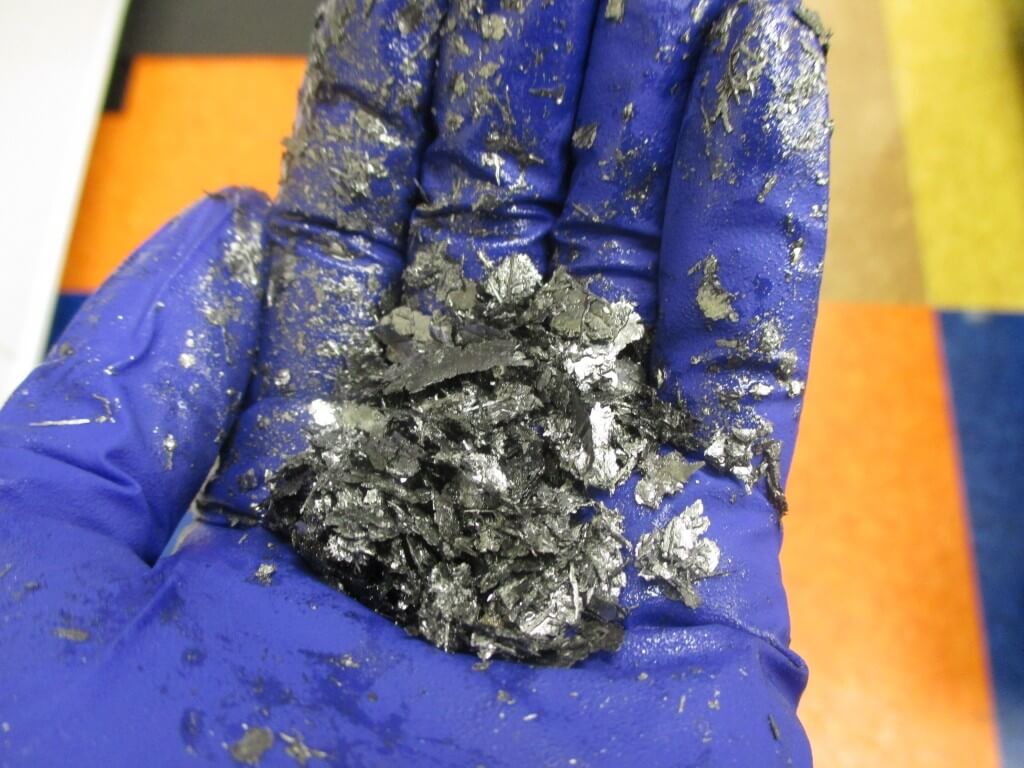
Even with the most diligent compatibility testing, there can still be challenges such as real-world variability--fluids behave differently in lab tests than in field conditions. Testing can also become complex when multiple fluids (lubricants, coolants, additives, etc.) are used together. Given all this, while lubricant compatibility testing cannot guarantee compatibility, it can predict compatibility.
Lubricants usually get mixed in one of three ways:
- The intentional addition of a different lubricant to a machine: The plant may be trying to consolidate lubricants in use; the current product may be discontinued or there maybe supply chain issues.
- The accidental addition of the wrong lubricant to the machine: This is usually the result of poor identification and storage processes.
- Inadvertent contamination with a different lubricant during operation: There are a number of possible scenarios, such as a leaking hydraulic line dripping hydraulic fluid into a gearbox.
There are consequences—often serious--for mixing incompatible fluids. These include loss of critical performance characteristics of the lubricant; such as the ability to separate from air, the ability to separate from water, loss of rust/corrosion protection, etc. Mixing incompatible lubricants can also result in drop out of additives and/or formation of insoluble materials which can clog filters and interfere with the functioning of moving parts. The good news is that, with due diligence and testing, this can be avoided.
Preventing the mixing of incompatible lubricants involves careful planning, proper procedures, and verification to ensure equipment reliability and optimal performance. Here are some precautions to take:
- Identify and Document Lubricants in Use: Maintain a comprehensive list of all lubricants used in the facility, including specifications, base oils, and additive types; label storage containers, transfer equipment, and lubrication points to avoid accidental mixing.
- Consult Manufacturer Recommendations: Always follow OEM and lubricant manufacturer guidelines regarding acceptable substitutes and compatibility; don’t hesitate to obtain technical support from manufacturers to verify the equivalence of specific lubricants.
- Avoid Mixing Whenever Possible: Drain and flush systems thoroughly when switching lubricants to minimize residual oil that could cause incompatibility; use dedicated equipment for each lubricant type (i.e. pumps, funnels, and storage tanks) to avoid cross-contamination.
- Implement a Lubrication Management Program: Train personnel on the importance of lubricant compatibility and proper handling procedures; use clearly marked containers to differentiate lubricants; and regularly audit lubrication practices to ensure adherence to established protocols.
- Monitor Oil Condition: Perform routine oil analysis to detect early signs of incompatibility, such as unusual sludge, varnish, or changes in physical properties. Then respond promptly to anomalies by investigating and correcting the root cause.
- Take Advantage of Compatibility Testing: Perform compatibility testing through a qualified lab like Eurofins TestOil before mixing lubricants, especially during oil changeovers or when topping off with a different product; test for changes in properties such as viscosity, sedimentation, and chemical stability to confirm compatibility.
By implementing these practices, the risk and consequences of mixing incompatible lubricants can be significantly reduced--preventing costly equipment damage, downtime, and maintenance issues.
Eurofins TestOil Field Services professionals can help with all of this by working with you to set up a new oil maintenance program, assess and enhance an existing program, and maintain best practices over the long-term.
Read Compatibility Testing Part 1: Overview and Compatibility Testing Part 2: The Process.
For more information on partnering with Eurofins TestOil on oil analysis programs or training opportunities, fill out the form below; visit https://testoil.com/company/contact-us/; call 216-251-2510; or email sales@testoil.com.
About Eurofins TestOil
With more than 30 years of experience in the oil analysis industry, Eurofins TestOil focuses exclusively on assisting industrial facilities with reducing maintenance costs and avoiding unexpected downtime through oil and fuel analysis program implementation. As industry experts in diagnosing oil-related issues in equipment such as turbines, hydraulics, gearboxes, pumps, compressors and diesel generators, Eurofins TestOil provides customers with same-day turnaround on routine oil analysis testing. For more information on partnering with Eurofins TestOil on oil analysis programs or training opportunities visit https://testoil.com. Contact: Al Yates 216-251-2510; sales@testoil.com.
About Eurofins – the global leader in bio-analysis
Eurofins is Testing for Life. Eurofins is the global leader in food, environment, pharmaceutical and cosmetic product testing, and in discovery pharmacology, forensics, advanced material sciences and agroscience Contract Research services. Eurofins is also a market leader in certain testing and laboratory services for genomics, and in the support of clinical studies, as well as in BioPharma Contract Development and Manufacturing. The Group also has a rapidly developing presence in highly specialised and molecular clinical diagnostic testing and in-vitro diagnostic products.
With over 61,000 staff across a network of 940 laboratories in 59 countries, Eurofins’ companies offer a portfolio of over 200,000 analytical methods. Eurofins Shares are listed on Euronext Paris Stock Exchange.