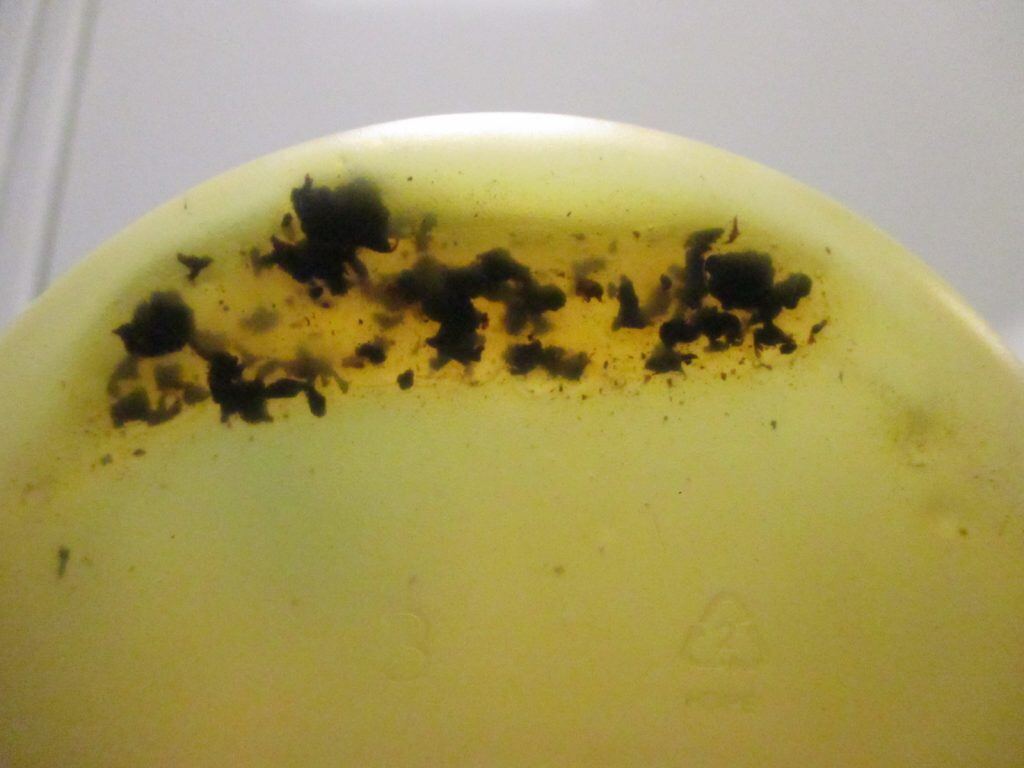
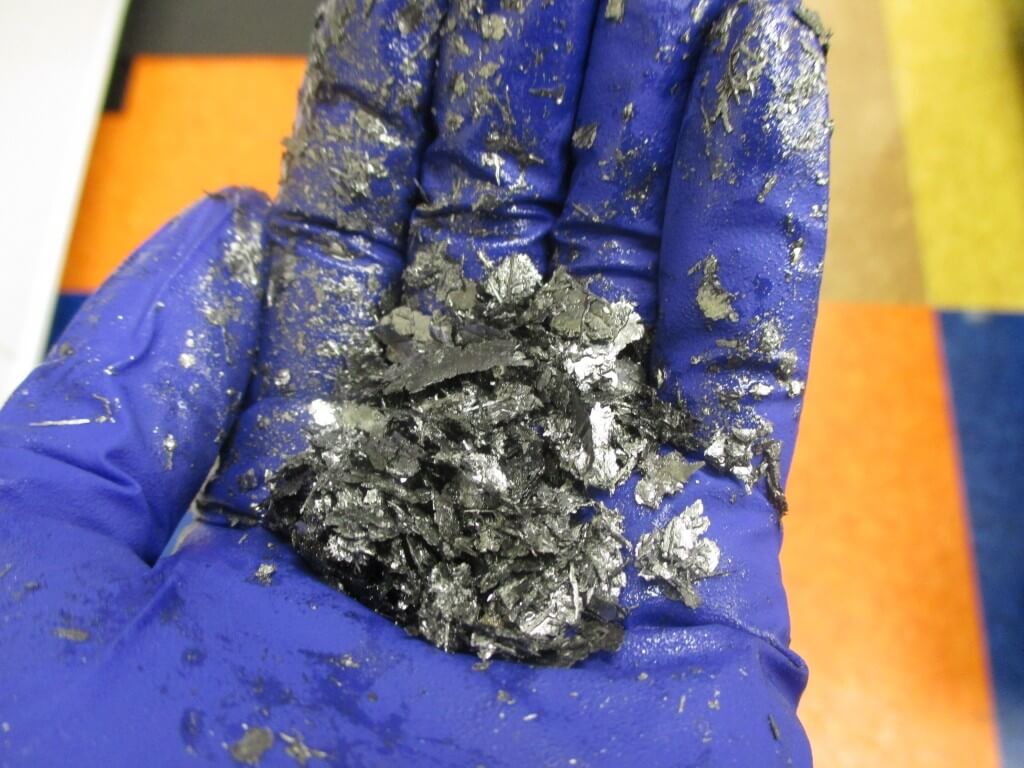
Per Eurofins TestOil, sludge is to machinery what LDL cholesterol is to the human body (not good). Sludge is basically the formation of heavy, thick, greasy, tarry deposits that tend to collect in certain areas. It can be dark or clear, hard or gummy, minimal or pervasive. Some of the causes are:
- Additive and/or base oil incompatibilities
- Electrical sparking
- Overheating
- Lengthy cold storage
- Antifreeze, water, grease and/or soap contamination
- Oxidation, aeration and/or nitration
Lubricant degradation byproducts are often tacky and other contaminants will stick to these deposits causing them to grow. The best way to remediate the problem is to determine the root cause, which can require some detective work (TestOil’s experts have seen it all before and can help).
Sludge samples have been found in the main bearing housings of a steam turbine. Analysis of the sludge found contamination with an incompatible polyol ester fluid, as well as lubricant degradation products. Sludge material has been found in the reservoir of a mist system. Analysis of the material found it to be precipitated additives. This is most likely due to the mixture of incompatible fluids. Sludge material has been found clogging the suction strainer of a rotary screw ammonia compressor. Analysis of the sludge found lubricant degradation products, rust, and ammonium acetate.
Sludge material also caused sticking valves in a cylinder pump. The customer had informed the laboratory they believed the seals were leaking. The sludge material was found to contain isocyanate and dihexylphthalate, which are known process contaminants. In order for these compounds to enter the lubricant system, they had to get past the seal, confirming the customer’s suspicions.
The most important thing to know about sludge is that it can do real damage. The type of damage depends on what the sludge is comprised of: hard particles could cause abrasive wear; lubricant degradation products could coat machine parts and cause reduced clearances; there could be reduced ability to dissipate heat; restricted oil flow/improper lubrication, etc. Water could cause rust/corrosion, improper lubrication, and accelerated lubricant degradation, etc.
Over time, some sludge could bake into an enamel-like coating; in other instances, it will just remain gummy. The good news is that sludge is avoidable. It can be prevented or reduced by controlling contamination, monitoring fluid degradation, conditioning the fluid and changing the oil before it reaches the end of its useful life.
For more information on working with Eurofins TestOil for oil analysis programs or training opportunities, fill out the form below; visit https://testoil.com/company/contact-us/; call 216-251-2510; or email sales@testoil.com.
About Eurofins TestOil
With more than 30 years of experience in the oil analysis industry, Eurofins TestOil focuses exclusively on assisting industrial facilities with reducing maintenance costs and avoiding unexpected downtime through oil and fuel analysis program implementation. As industry experts in diagnosing oil-related issues in equipment such as turbines, hydraulics, gearboxes, pumps, compressors and diesel generators, Eurofins TestOil provides customers with same-day turnaround on routine oil analysis testing. For more information on partnering with Eurofins TestOil on oil analysis programs or training opportunities visit https://testoil.com. Contact: Al Yates 216-251-2510; sales@testoil.com.
About Eurofins – the global leader in bio-analysis
Eurofins is Testing for Life. Eurofins is the global leader in food, environment, pharmaceutical and cosmetic product testing, and in discovery pharmacology, forensics, advanced material sciences and agroscience Contract Research services. Eurofins is also a market leader in certain testing and laboratory services for genomics, and in the support of clinical studies, as well as in BioPharma Contract Development and Manufacturing. The Group also has a rapidly developing presence in highly specialised and molecular clinical diagnostic testing and in-vitro diagnostic products.
With over 61,000 staff across a network of 940 laboratories in 59 countries, Eurofins’ companies offer a portfolio of over 200,000 analytical methods. Eurofins Shares are listed on Euronext Paris Stock Exchange.